


Word Solitaire: Associations
4.6344.00 Reviews
App Specs
- Version
- 1.5.1
- Updated On
- License
- Free
- Downloads
- 500,000+
- Developer
- NewPubCo
- Categories
- Word
- Platform
- Android
Screenshots
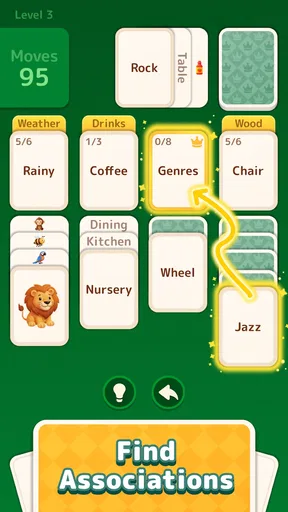
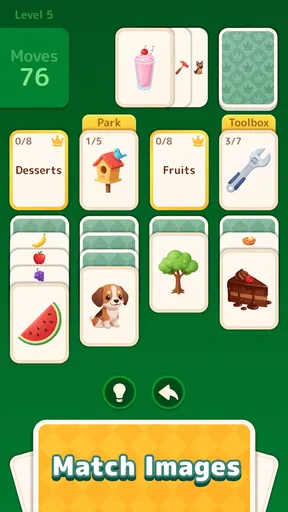
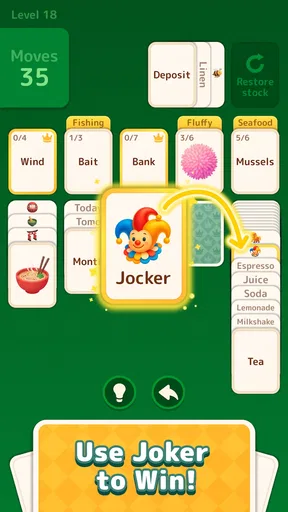
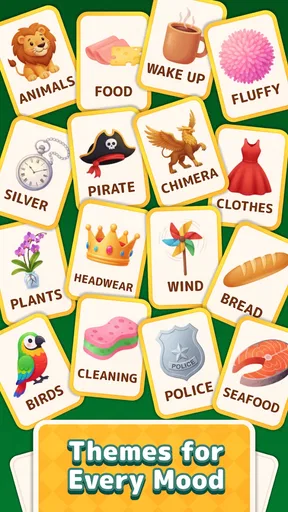
 Analysis by AppCompare
What makes Word Solitaire: Associations interesting to me is the way it asks you to look at familiar words differently. It is not simply a standard word search or a conventional solitaire game: the appeal lies in bringing the two kinds of thinking together. That makes it a natural fit when I want a short puzzle with a bit more purpose than tapping through a match-three board, though it is less suited to anyone looking for a deep card-game simulation or a free-form vocabulary exercise.
Reading the board and finding your way around
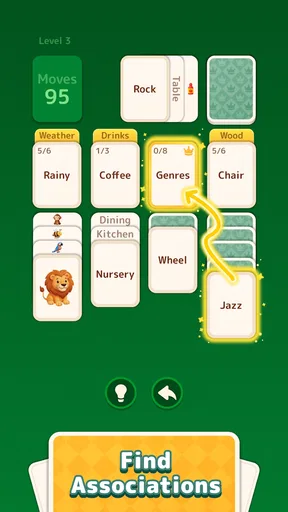
The central task is to make connections between words, so the game depends on being able to scan the cards, compare their meanings, and decide what belongs together. In my experience, that gives each move a small reasoning step: I am not only asking which card can be placed, but also what relationship the words are meant to share. If you enjoy spotting categories and associations, that mental rhythm is the main draw.
The game is presented as approachable rather than as a complicated strategy title. Its word-based cards make the basic idea easy to grasp, while the solitaire structure supplies a familiar framework. That combination is useful for newcomers: you can understand the broad goal without first learning a long set of rules. The challenge comes from interpreting the words, not from memorizing a dense control scheme.
Still, word puzzles depend on language and interpretation. A connection that feels obvious to one player may not be the first one another player sees, especially when several words could plausibly belong to more than one group. I recommend taking a moment to consider the broader relationship before committing to a move. That small pause can make the puzzle feel more like deduction and less like trial and error.
Motor and sensory comfort in ordinary play
The card-and-word format is a practical choice for touch play because the main interaction is direct: you move cards to build associations. It avoids the need for elaborate combinations of controls, which should make the basic loop easier to pick up for many casual players. The restrained visual style described in the game also keeps attention on the puzzle instead of surrounding the board with visual clutter.
That simplicity does not make every session equally comfortable for every person. Reading word cards requires sustained visual attention, and dragging cards calls for a degree of touch precision. If small text, screen glare, hand fatigue, or tremor makes those tasks uncomfortable, this may not be the easiest word game to play for long stretches. I would try a brief session first and see whether the board feels clear and the gestures feel manageable on your own device.
Sound is another personal consideration. A quiet puzzle can be welcome in shared spaces, but anyone who prefers audio cues should not assume that sound is essential to understanding each move. I would treat the game primarily as a visual activity and adjust the device’s sound to suit the setting. The useful point is that the word associations themselves remain the focus, rather than a fast reaction to audio prompts.
Worth Reading Before You Choose

Flipboard Shows What News Apps Must Do Beyond the Feed

Switching to Android Auto Means Rethinking Your Driving Routine

Google Calendar Makes a Crowded Week Easier to Manage

Ludo King Makes the Most of the Minutes Between Plans

Baby Panda World Brings Quick Play to Modern Phones, but Its Game Library Feels Busy

ESPN’s Live Game View Makes Following Close Games Easier
Where it fits into a day
This is the kind of game I would open while waiting for a coffee, sitting through a short commute as a passenger, or taking a quiet break between tasks. A single puzzle gives the mind something specific to work on without requiring the commitment of a long story campaign. If I only have a few spare minutes, the word-and-solitaire mix gives that pause a clear beginning and end.
It also suits people who like puzzles but do not necessarily want a strict crossword routine. Crosswords often reward knowledge of definitions and exact spelling; word-association play instead asks you to recognize relationships. Compared with a standard solitaire app, this game puts more weight on language and less on card sequencing alone. Compared with a conventional word search, it asks for semantic grouping rather than scanning a grid for hidden spellings.
The trade-off is that it may be less satisfying for players who want either side in its pure form. If you love classic solitaire for its familiar suits and tactical card planning, the association layer changes the nature of that experience. If you want a serious vocabulary trainer with structured lessons, this is not the same kind of tool. I see it as a light hybrid puzzle, best for someone who enjoys both ingredients without demanding a full course in either.
Making the most of hints and difficulty
When a board stops making sense, a hint can help you get moving again. I would use one after first checking whether I am overlooking a broad category or treating a word too narrowly. That approach preserves some of the satisfaction of solving the group yourself, while preventing a single stubborn connection from turning a casual break into a frustrating one.
The gradual increase in difficulty is helpful for settling into the rules, but it also means the game may eventually ask for more patience than a player expects from a quick mobile puzzle. A practical way to keep it enjoyable is to stop after a tricky level rather than continuing when attention is fading. Word association relies on concentration; returning with a fresh mind can be more rewarding than repeatedly guessing while tired.
There is also a useful distinction between using a hint to learn the game’s logic and using it to rush through. If a particular grouping surprises you, take a second to notice why those words connect before moving on. That habit can make later boards easier to reason through, even without turning the game into formal vocabulary study. The benefit is learning how the puzzle frames relationships, not a promise of measurable language gains.
Who should try it, and what to expect
NewPubCo’s free word game has a 4.7 average from around 4.9 thousand ratings, and it has passed 100 thousand installs. It is rated for Everyone, runs on Android 6.0 or later, and version 1.5.1 is the current release. Those details make it easy to place: it is a casual mobile puzzle for a broad audience, rather than a specialized tool aimed only at expert word players.
The game is free to start, with in-app purchase items ranging from $1.99 to $119.99. I would approach optional purchases with the same care I use in any free mobile game: decide whether the basic puzzle loop is already enjoyable before spending, and check the item details in the store before confirming anything. The existence of purchases does not tell me whether they are necessary to enjoy the game, so I would not treat them as part of the core reason to try it.
It is a good match for someone who wants a calm, language-centered diversion and likes the feeling of gradually untangling a board. It is a weaker fit for players who dislike touch gestures, need a large-print interface, want fast action, or prefer puzzles with one strictly factual answer. If you are choosing between this and a traditional solitaire game, pick this when word relationships sound appealing; choose the traditional option when you want cards and strategy without semantic interpretation.
Getting Started with Word Solitaire
First things first, downloading Word Solitaire: Associations was a breeze. Available on both Android and iOS, it’s just a tap away on your favorite app store. Once installed, you're greeted with a clean, user-friendly interface that immediately feels welcoming. There’s no need to fumble through complicated menus; you can jump right into the action.
The Gameplay Experience
The premise is simple yet addictive. Imagine a classic solitaire setup, but instead of numbers and suits, you’re dealing with words. The goal is to match and stack words based on associations, making it a unique twist on the traditional card game. Each level presents a different challenge, ensuring that you’re not just mindlessly swiping cards around.
The game mechanics are intuitive. You’ll drag and drop cards to create meaningful connections, which is as satisfying as it sounds. The app does an excellent job of gradually increasing difficulty, so you’re constantly engaged without feeling overwhelmed. Plus, if you ever get stuck, there are hints available to nudge you in the right direction.
Visuals and Sound
Let’s talk aesthetics. The design is sleek and minimalistic, which is perfect because it allows you to focus on the game itself. The color palette is easy on the eyes, and the animations are smooth, adding to the overall appeal. As for the sound, it’s understated yet effective. The background music is soothing, which is great because it keeps you calm during those intense brain-bending moments.
For readability, a minimal board has a real advantage: there is less competing decoration while you compare the words. But clarity is still personal. I would check that the text is comfortable to read at your usual phone brightness before settling in for a long session, especially if you are playing outdoors or on a smaller screen. If you find yourself squinting, taking a break is a better choice than pushing through; the game’s central activity depends on noticing differences and relationships between words.
One practical way to play is to rotate the activity around your attention rather than trying to finish a fixed number of levels. I might play a puzzle during a quiet break, then put the phone away when reading starts to feel effortful. That makes the gentle presentation useful without assuming that a calm look automatically solves issues such as low vision, fatigue, or sensitivity to screen brightness.
Features That Stand Out
One feature I particularly appreciate is the variety of themes available. Whether you’re in the mood for a classic look or something more modern, there’s an option for you. This customization adds a personal touch to your gaming experience.
There is a small but helpful trade-off in any visual customization: a theme can make the board feel more pleasant, but the best-looking option is not always the easiest one to read in every lighting condition. I would choose the theme that keeps the words distinct on my own device, rather than changing the appearance just for novelty. When the task is comparing terms, legibility matters more than decoration.
Another noteworthy feature is the daily challenges. These provide a nice break from the regular levels and offer a chance to earn extra rewards. It’s a great way to keep things fresh and give you a reason to come back every day.
Daily play can be a nice routine, but I would not turn it into an obligation. If I have only a minute, I can leave the challenge for a time when I can actually read the board and think through the associations. That is especially useful when playing in a busy queue or during a noisy break: the format is casual, yet meaningful word grouping is easier when attention is not divided every few seconds.
For a realistic everyday example, imagine waiting for an appointment with a few minutes to spare. I would open a level, scan the visible words for obvious relationships, and make a move only when the grouping feels coherent. If I get interrupted, I would rather pause than tap quickly just to finish. That turns the game into a low-pressure mental reset instead of another task competing for attention.
Community and Support
Now, no app is complete without good community support, and Word Solitaire: Associations doesn’t disappoint. There’s an active user community where you can share tips, tricks, and even brag about your high scores. If you run into any issues, the support team is quick to respond, which is always a plus in my book.
Moreover, the developers seem committed to regular updates. This is crucial because it keeps the game from becoming stale and shows that they value player feedback. You can expect new levels and features to keep things exciting.
When deciding whether to make it part of a daily routine, I would focus on the experience that is directly useful to me: the word-card puzzle, its hints, and the option to change themes. Those give a player ways to approach a board and its presentation without requiring a long session. Anyone who depends on specific accessibility controls or needs highly customizable text should test the game on their own device before relying on it as a regular activity; a simple interface is welcome, but it is not a substitute for features that fit every individual need.
Final Thoughts
In a world flooded with mobile games, Word Solitaire: Associations stands out by offering a unique blend of solitaire and word puzzles. It’s perfect for those moments when you want to unwind but still keep your brain engaged. Whether you’re a word aficionado or a solitaire buff, this app is bound to entertain.
So, if you’re looking for a game that’s both challenging and fun, give Word Solitaire: Associations a try. It’s a fantastic way to pass the time, hone your vocabulary, and maybe even learn a few new words along the way. Happy gaming!
My inclusive verdict
I like the way this game makes a short puzzle feel thoughtful without burying the player in rules. Its clean presentation and direct card movement may suit people who want a low-pressure word activity, while the changing associations give experienced puzzle fans something to reason through. The balance depends on your comfort with reading on a phone and making touch gestures; I would try a brief session first rather than assuming the same setup will work equally well for everyone.
For me, the strongest reason to try it is the particular mix of card layout and semantic grouping. It offers a different kind of pause from a word search, a crossword, or ordinary solitaire, and the hints give a way through when a connection stalls. If that combination sounds enjoyable, the free starting point makes it easy to see whether the rhythm suits you. If you need a highly adjustable reading experience, prefer purely visual or audio-led play, or want conventional solitaire strategy, another game will likely fit better.
Pros
- Engaging word puzzles enhance vocabulary.
- Simple
- intuitive interface for all ages.
- Offline play available for on-the-go fun.
- Regular updates with new levels.
- No intrusive ads to disrupt gameplay.
Cons
- Limited hints can increase difficulty.
- In-app purchases needed for extra features.
- Occasional lag on older devices.
- Some levels feel repetitive over time.
- No multiplayer mode for shared play.
FAQs for Word Solitaire: Associations
What is the main objective of Word Solitaire: Associations?
Word Solitaire: Associations combines the classic card game of Solitaire with word puzzles. The objective is to clear the board by forming words from a set of given letters. Each level challenges your vocabulary and strategic thinking, making it both entertaining and educational.
Is Word Solitaire: Associations suitable for all ages?
Yes, Word Solitaire: Associations is designed to be suitable for players of all ages. While the game is simple enough for children to enjoy, it also provides enough complexity to challenge adults. It’s a great way for families to bond over a shared activity that is both fun and enriching.
Are there any in-app purchases in Word Solitaire: Associations?
Word Solitaire: Associations offers a free-to-play experience with optional in-app purchases. Players can buy hints or extra features to enhance gameplay. While purchases are not necessary to progress, they can provide additional convenience and enjoyment for those who choose to invest.
Can Word Solitaire: Associations be played offline?
Yes, Word Solitaire: Associations can be played offline, making it a perfect companion for travel or situations where internet access is limited. However, certain features like leaderboard updates and in-app purchases may require an internet connection to function properly.
What makes Word Solitaire: Associations different from other word games?
Word Solitaire: Associations stands out by merging the strategic elements of Solitaire with creative word-building. This unique combination offers a fresh and engaging twist, challenging players to think critically and expand their vocabulary while enjoying the familiar mechanics of a beloved card game.


